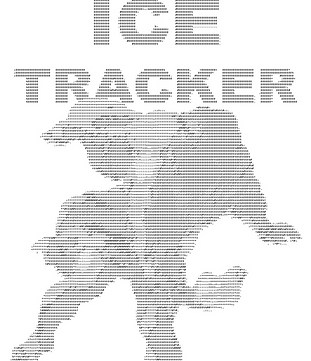
We Will Not Be Stopped - 2025
Using high-resolution scans to archive videos and images posted by DHS (Department of Homeland Security) and ICE (Immigration and Customs Enforcement) on social media, We Will Not be Stopped documents the propagandistic shift in the official communication channels of U.S. enforcement agencies, now adopting the aesthetics of user-generated content and revealing visual patterns associated with far right ideologies.
Since the return of the Trump administration, security and immigration enforcement agencies have refined their comms strategies away from formal institutional messaging On social media, they have started sharing a series of videos and images which feature a low-quality, seemingly effortless aesthetic carefully designed to blend and thrive on “the feed”. They are appropriating the edit: an engaging, short-form, fan-made video genre typically set to music paired with quick compilations of clips from celebrities, movies, and tv-shows, often used to highlight characters, moods, or narrative arcs.
The videos posted by DHS and ICE tick most of these boxes, trying to achieve an amateur look by remixing low-quality images and footage (or purposefully downgrade their quality) with snippets from popular songs, layering a series of artificial glitches such as filters, noise, and compression artefacts. The result is a visual language which is equally surreal and disorienting, on one hand flattening and “gamifying” violence, and on the other normalising the state’s adoption of the irreverent idioms of internet culture. The edit serves to abstract violence, glorifying the deployment of state force against individuals and communities, ultimately numbing the public to the spectacle of law enforcement rounding up and arresting people in the streets.
Beneath the superficial layer of online meme and pop culture references, the content draws on, most often quite explicitly, the visual vocabulary of the far right: from audio selections to textual overlays and symbolic imagery. Even though, in isolation, these occurrences can be easily dismissed as incidental, the pattern becomes indisputable when viewed collectively. This work aims to expose that pattern. The videos are scanned as they play, and the still images are scanned in high resolution, both at 4800dpi. The videos are shown full screen, as the scanning fails to capture motion but records text overlays, which often persist for the entire video. The images, presented as zoomed-in fragments, focus on decoding the visual language without showing the original ads.
We Will Not be Stopped, named after a text overlay appearing in one of the videos, examines and archives this content before it vanishes into the algorithm, creating a record for future accountability. These new images are not just a new communication strategy, but a deeper shift in state propaganda, one engineered to blend into the consumption patterns of user-generated content. The work is a reminder to look closely at what we are being taught not to notice.